


One of the most important factors for a business owner to understand is their unique customer journey and exactly how potential customers gets from first impression to happy client.
However, too many business owners haven’t thought about it, ignore it, or hope someone else will solve the problem for them.
Unfortunately, no one can or will ever care about your business more than you, which is why it’s important to take the customer journey into your own hands, and make sure you’re doing everything you can to maximize your businesses potential.
Let’s look at the customer journey for local SEO, what it is, how it works, and how you can use this knowledge to find major obstacles and help more potential customers become qualified leads—starting with a broad look at the marketing funnel.
The Marketing Funnel
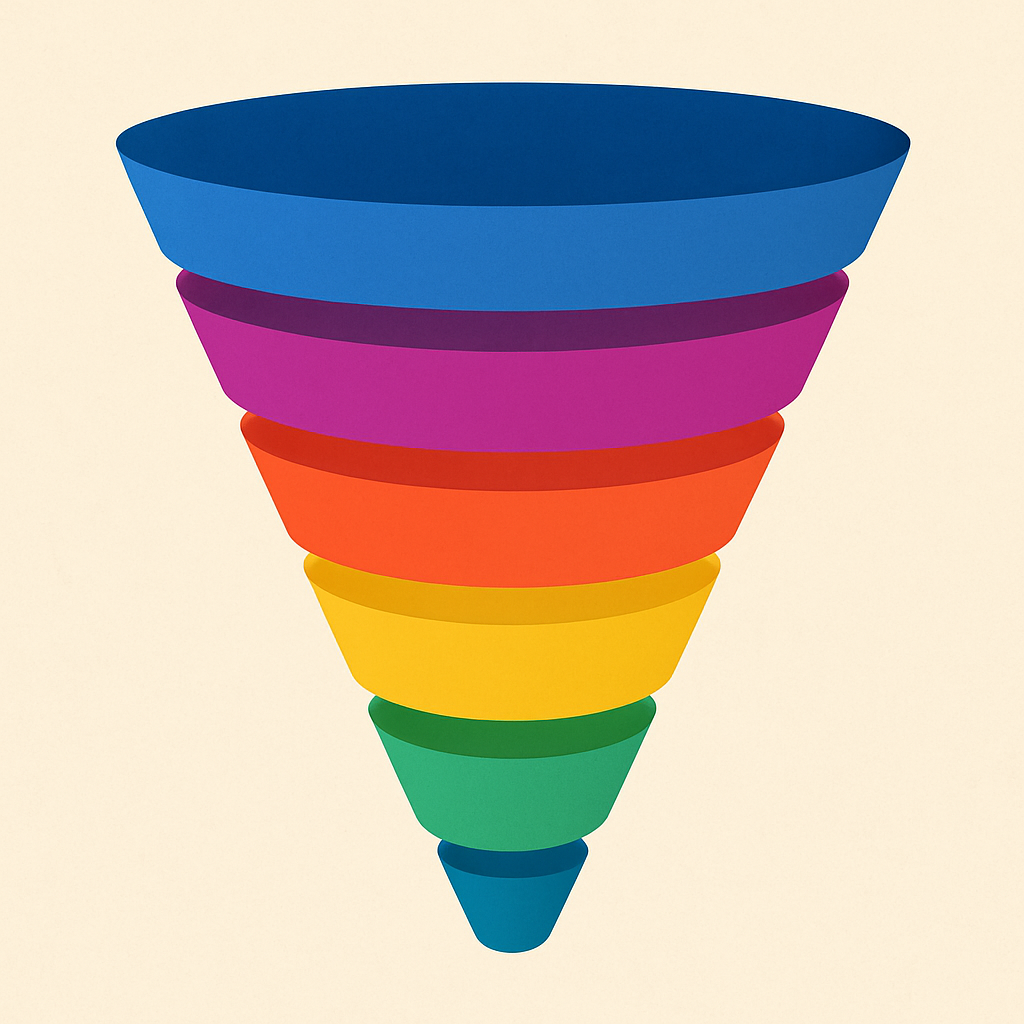
One of the most important concepts for business success is the marketing funnel.
The marketing funnel is a simple, visual method to illustrate where a customer is in their journey from initial interest to sale.
A customer starts at the top, with initial interest. Maybe they have a problem—they know their roof is getting old. This is the top of the funnel.
They start taking top of funnel actions: Doing research about roofing, looking at general costs, maybe looking for quick or DIY solutions to hold them over.
A customer at the top of the funnel is generally interested in services, but not ready to buy. This can apply to all businesses from roofing and plumbing, to remodeling and custom home building.
As the customer gets closer to making a purchase, they move down the funnel—from awareness of a problem, to taking an action.
Bottom of the Funnel
A potential customer is considered “bottom of the funnel” when they are ready to take action. Some customers go directly to the bottom of the funnel—for instance someone with an emergency, or someone who just learned about a problem but just want to get it taken care of.
Either way, this is a customer looking to buy, their only question is who to buy from.
Since customers near the bottom of the funnel are more likely to buy, they are considered better, more qualified leads—and are typically more valuable than top of funnel leads.
This is why it’s always best to target, or prioritize, bottom of funnel traffic—especially for home service companies. However, most local businesses, almost by accident, are targeting this bottom of funnel traffic—and local SEO is typically a bottom of the funnel targeting method.
One easy way to think about this is by looking at a page on your website compared to a blog post.
Pages are typically bottom of funnel, targeting more qualified customers. For instance, a landscaping company doing local SEO in a local market may have a page called “Landscaping Services in CITY.” A search that directly targets those looking for landscaping services.
They may also have a blog post called “Top 10 Landscaping Trends.” This is top of funnel content. It isn’t targeting their local city, so they may get much of their traffic from areas they don’t even offer services in. And this type of question and answer content is naturally top of funnel, because it will attract many visitors in the research phase.
This is why targeting bottom of funnel is always the most effective strategy for a local business—you want potential customers when they are ready to buy.
Now, we come to the next step in the customer journey, once you have targeted traffic coming to your website, how do you turn that traffic into leads.
Traffic and Conversion Rates
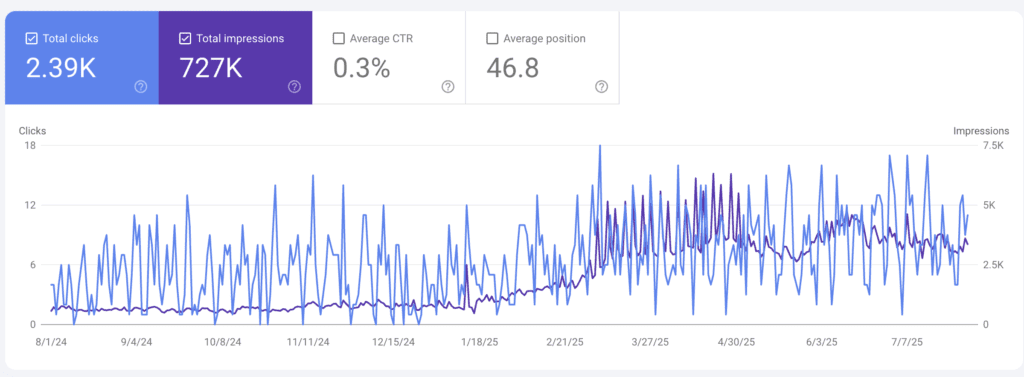
Getting traffic is the first step, but where many businesses fail is in converting traffic into leads.
This is called your conversion rate—the percentage of traffic that converts into a lead.
Conversion rates are often ignored by many in the marketing world, because it is so difficult to improve. However, improving your conversion rate may have a bigger impact on your business than anything else.
Consider this, if you get 1,000 visitors to your website per month from local SEO, then every 1% you improve your conversion rate means another 10 leads for your business.
Improving this by 3-5% can be the difference between a thriving business and a failing one.
We’ll discuss how to use the customer journey to find branding or other issues that hold your business back in a moment, but first, let’s look at proactive ways to increase conversion rates.
Purchase Cycles and Offers
Another important aspect of the customer journey is the purchase cycle that each potential customer must go through.
There are two important types of businesses and customer purchase cycles:
- Low-consideration purchase cycle businesses typically require less investment, and less need for research. This includes plumbers, roofers, HVAC services, etc.
- High-consideration purchase cycle businesses are typically more expensive, and may have a creative or visual aspect to them. This type includes remodeling services, custom building, painting, landscaping, and other similar businesses.
These businesses can benefit from similar approaches. A strong offer or compelling discount may help turn any potential customer into a lead.
Studies have proven that even a 15% discount can move the needle for your business. And for low-consideration businesses, offers become simple way to test ideas and improve conversion rates.
However, some potential customers will take time to become buyers. And, especially in high-consideration businesses, this means potential customers often start much higher up the funnel. In this case, you need methods for gathering information, and staying in front of potential buyers until they are ready to take action.
High-Consideration Strategies
Not all potential customers are ready to buy today. This can be true for all businesses. However, high-consideration businesses likely have a greater percentage of potentially customers that need time before taking action.
For these types of businesses, it’s best to use a “hook and ladder” strategy.
This is how it works:
- Hook: Start with something that draws the potential customer in, and helps you get their information. This is typically done through a lead magnet—often a downloadable pdf guide or other educational materials—to get them to take the first step.
- Ladder: Once you have their information, using an email campaign to educate and stay in front of potential customers helps you control the narrative, and make sure you’re there when they are ready to move forward.
This is an important strategy for these types of businesses. And, although it can be effective for almost every local business, these high-consideration business have more to gain from this strategy, and more to lose from ignoring it.
Using the Customer Journey to Diagnose Problems

One of the most effective ways to diagnose and solve local SEO problems is through the customer journey lens.
By analyzing your website and digital assets from this perspective, you can uncover areas where your business sends the wrong signals, or misses the mark for potential customers.
More often than not, a business owner who simply takes the time to review their digital assets, and practices putting themself in a customer’s shoes, will uncover important areas to make adjustments.
These digital assets include:
- Google Business Profile
- Website
- Landing Pages
- Social Media Profiles
- Ad Campaigns
- Other Marketing Assets or Materials
All of these must be looked at individually if it attracts potential customers and is meant to lead them towards taking an action.
Let’s look at some of the most important factors to consider when analyzing your business for potential problems.
Branding & Personality
Your brand says a lot about you to customers. A memorable brand can go a long way to add value for your business.
However, there are times when your branding may cause problems—especially when your name or branding makes people feel confused about the services you offer.
Real Example: A local business changed their services from a med spa to massage services. However, they kept their name, which had the words “Med Spa” in it. However, this did not reflect the typical “massage” experience customers expected.
Once the owner changed the brand name, and added images to reflect the massage experience, the business recovered.
People aren’t dumb, but when they are looking for a business, they naturally avoid anything that is unclear. They will quickly move on to another business if they feel confused or unsure about your branding or the services you offer.
Services & Options
The services and options you offer also must be clear to each potentially customer looking at your business.
If you do not send the right messages with your digital assets, you will lose potential customers and revenue.
And you may not even realize you’re sending the wrong signals if you aren’t paying attention.
Real Example: In this situation, a painter was trying to determine why his lead volume was so low, even though he was ranking high on Google Maps in his local area. However, his website and GBP were of exterior painting jobs only, which was off-putting and unclear for interior painting and other potential customers.
By adding high-quality, interior painting images—with contractors performing specific painting tasks—there was an almost immediate change in leads for this business.
Not only do these types of images help customers understand your services, it also gives them the confidence that you are good at what you do, and that you can help them with their most intricate tasks.
Quality & Proficiency
Many businesses have a quality and proficiency component that matters to potential customers. If you aren’t sending the right signals, this can hurt your business.
Businesses like remodeling, car detailing, painting, or custom construction all have a quality component that matters.
It’s important in these businesses to make sure and send the right signals. You can also use little tricks to make your business look even more proficient.
For instance, a home painter with photos of a contractor working delicately on an intricate surface can send a message of care and precision.
A remodeler adding a piece of tile with leveling tools can show that there is a real focus on getting everything right.
These kind of action shots can be emotional for potential customers and draw them in even deeper.
Real Example: A car detailing company saw that the number of high-end cars was slowly decreasing every month. However, they were adding images from all of their customers to their GBP—including lower end vehicles. This type of content made the business less appealing to high-end vehicle owners.
By removing lower-end vehicles, the business changed the overall appearance of “quality” which helped to improve overall sales.
Showing your highest quality work, when paired with intricate images that show proficiency, is one of the best ways to move potential customers from visitor to lead to sale.
The Customer Journey is Powerful for Local SEO
Understanding your specific customer journey for local SEO is a powerful tool for improving leads, sales, and diagnosing problems. It’s always important to look through your business from the 3rd person, customer perspective, and look for problems that may be getting in the way.
I am constantly doing this for customers, and my own Boise SEO agency, to try and find ways to improve.
You can learn more about me here in my local SEO introduction.
These problems are never the same for any business. That’s why it’s important that the business owner understanding this customer journey and how it relates to their business.
It’s unfortunate, but no one will ever care about your business as much as you do. Take that into account. And spend time looking at your business through this lens, from the outside it.
Now, let’s move into our next important topic in this local SEO guide: